

What a Kling AI referral code actually does
Before you search Reddit for a code someone posted last month, it helps to understand exactly what you are signing up for. A referral code on Kling AI is a short alphanumeric string that links a new subscriber to an existing user. When you apply a code at the point of subscribing, you receive 10% bonus credits in your first month. That is a concrete top-up on top of whatever plan you choose, not a discount on the subscription price itself.
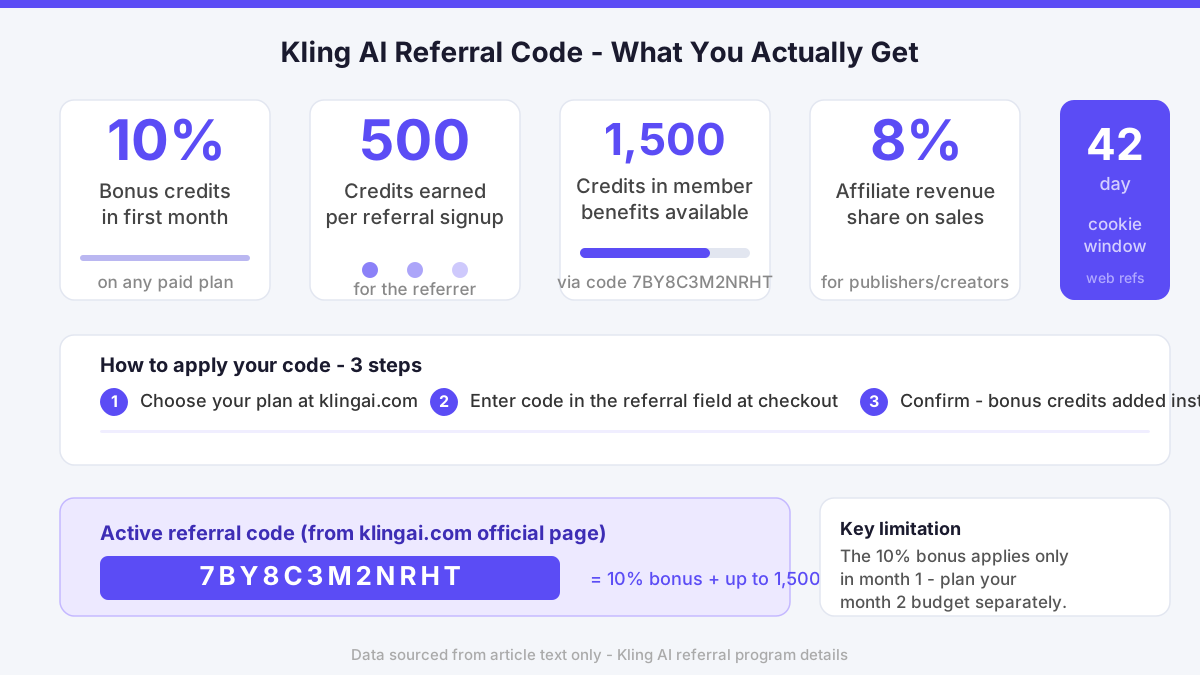
The platform, developed by Kuaishou and offering the Kling 3.0 model series with native 4K video output, runs this as a two-sided program. The person sharing the code earns 500 credits every time a friend subscribes using it. Those credits are meaningful inside the platform because they translate directly into generation capacity - more video renders, more image outputs, more experiments you can run without hitting a paywall mid-project.
Where to find a legitimate referral code in GB
The most reliable place to find an active code is the Kling AI referral page itself at klingai.com. The platform publishes working codes there, including one active as of recent months: 7BY8C3M2NRHT, which gives 10% bonus credits in the first month and up to 1,500 credits in member benefits. This code appears directly on the platform's official referral-subscription page, so you are not relying on a screenshot from a forum thread that may be months out of date.
If you already have a subscription, log into your account and navigate to the referral or commission-share section. Your personal referral link and code are generated there automatically. You can share it directly with colleagues, post it in a community, or use it as part of a structured onboarding flow if you are introducing a team to the platform.
Codes sourced from Reddit or third-party sites are not invalid by default, but they carry risk. A code tied to an account that has since been suspended, or one that has already hit a usage cap, simply will not apply at checkout. Going to the source removes that uncertainty.
How to apply the code when subscribing
The process is straightforward. Go to the Kling AI website and choose your plan. During the subscription checkout flow, you will see a field for a referral or promo code. Enter the code there before confirming payment. The 10% bonus credits should appear in your account once the subscription is active - typically within a short window of the transaction completing.
One thing worth being intentional about: decide which plan genuinely fits your current workload before you enter the code. The bonus credits land on top of your plan's credit allocation, so a higher-tier plan with the referral benefit gives you more absolute credits than a lower-tier plan with the same bonus percentage. That said, starting on a plan that matches your real capacity now, rather than the one that sounds most impressive, is nearly always the smarter call.
When I worked with a SaaS founder in Nottingham in April, the first thing we did before she subscribed to any AI tool was map out what she actually needed in the first 60 days versus what could wait. She was drawn to the top tier straight away. We stepped back, identified her realistic generation volume for that period, and chose a plan she could own fully rather than one she would underuse. That approach - starting lean and building a sustainable rhythm - saved her both money and frustration before the first billing cycle had even ended.
What could be better about the referral program
The referral program has two concrete limitations worth knowing before you commit. First, the 10% bonus is applied only in the first month. If you are evaluating whether the platform is right for you long term, that initial credit boost does not carry forward, so factor your second-month budget separately. Second, the affiliate revshare structure - which offers 8% on referred sales with a 42-day cookie window for web referrals - is primarily relevant for publishers and content creators running structured campaigns, not casual users sharing with a friend or two. The distinction matters if you are expecting meaningful passive income from casual sharing; the program is designed more as a loyalty gesture than a revenue stream for most users.
There is also no public-facing transparency about credit expiry terms or what happens to your earned referral credits if you downgrade or cancel your plan. That kind of policy detail is worth confirming directly with support at [email protected] before you build a workflow around credit accumulation.
The referral code versus just signing up without one
Put plainly: applying a referral code costs you nothing and adds credits to your first month. There is no meaningful argument for subscribing without one if you can locate an active code in under two minutes. The only scenario where it does not matter is if you are accessing the platform purely through the API on a usage-based billing model, where the credit structure may differ from the standard consumer subscription tiers.
If you are based in the EU and want to explore how the platform is positioned there, Kling AI Belgium covers local context worth reading alongside this guide.
Comments
No comments yet.
Leave a comment
Your email will not be shown. Comments are reviewed before they appear.