

Why AI Video Generation Is a Strategic Decision, Not Just a Feature Choice
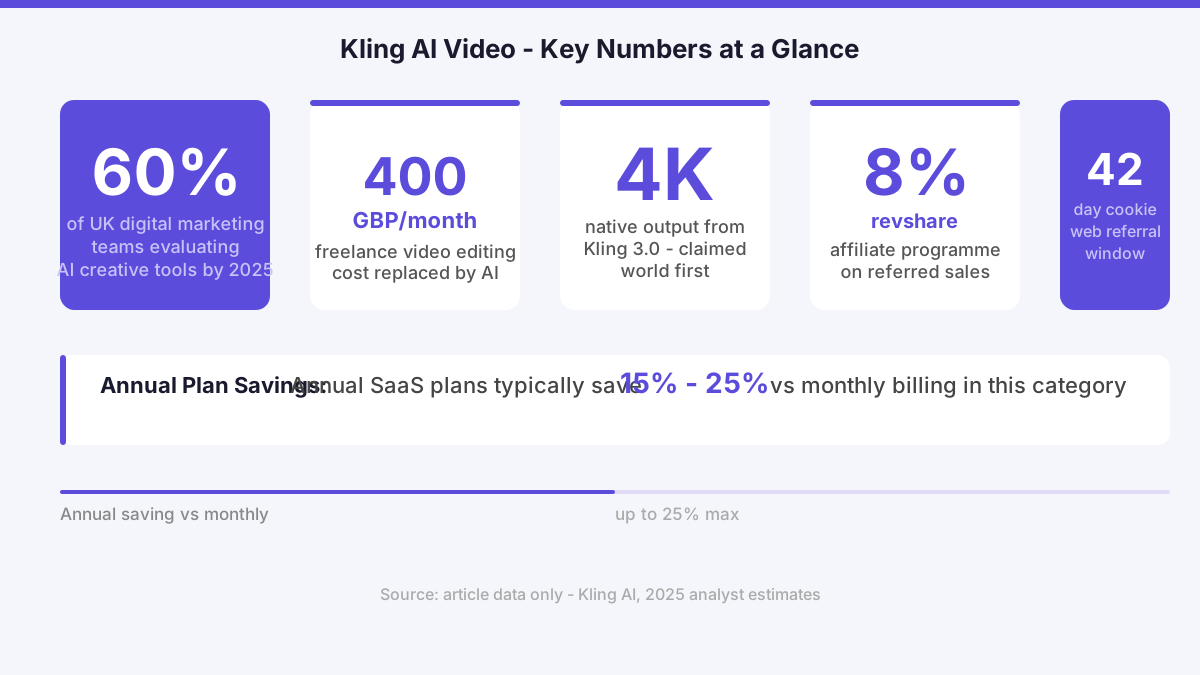
Generative AI video has moved well beyond novelty. By 2025, analysts estimated that over 60% of digital marketing teams in the UK were actively evaluating AI creative tools, and the gap between teams that use these platforms intentionally and those that adopt them reactively is growing fast. Before you look at any single tool's feature list, the more important question is whether that tool fits inside a sustainable creative workflow or simply adds another layer of friction.
Kling AI sits in a crowded field alongside Runway, Pika Labs, Stable Video Diffusion, and OpenAI Sora. What makes it worth examining seriously is the combination of native 4K output, multimodal instruction parsing, and the fact that it is an all-in-one studio rather than a single-function generator. That breadth of capability changes the conversation from "can it make a video" to "can it replace multiple tools in my stack."
What Kling AI Video Can Actually Produce
The platform centres on the Kling 3.0 model series, which includes VIDEO 3.0, IMAGE 3.0, and an Omni model with multimodal capabilities. The headline capability is native 4K video output, which Kling AI describes as the world's first AI video model to produce 4K at an industrial-grade quality level. That claim matters for advertisers and filmmakers who cannot afford to upscale footage after the fact.
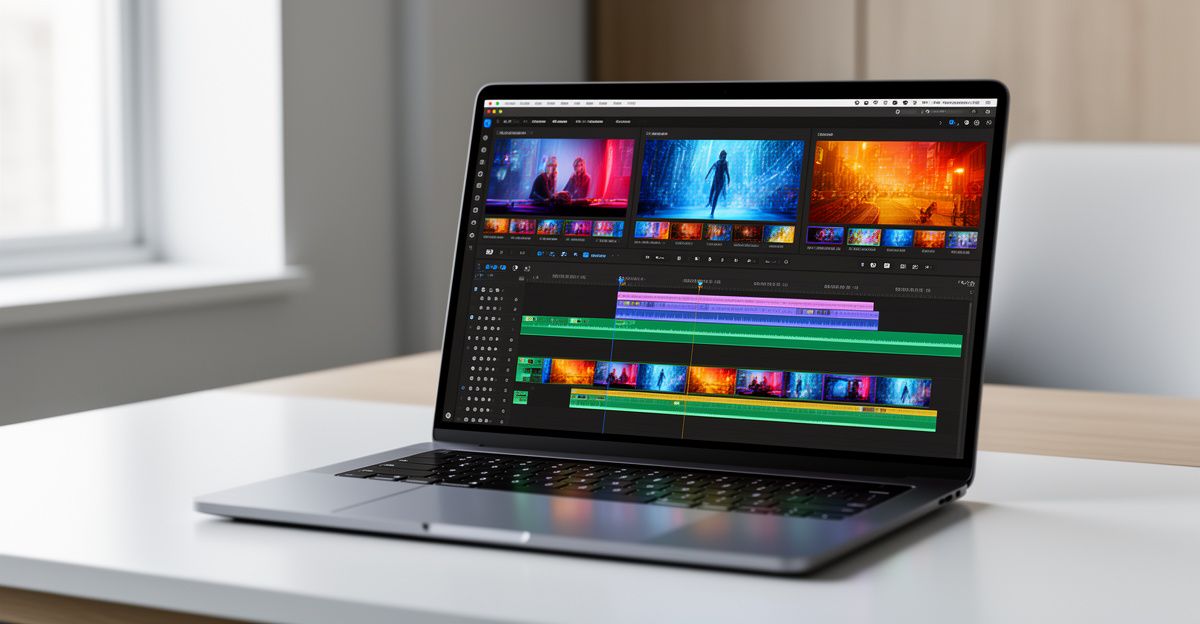
Text-to-video and image-to-video are the two entry points most creators use first. You write a prompt or upload a reference image, and the model generates a clip that interprets your instruction across motion, lighting, and scene composition. The Kling 3.0 series introduces what the platform calls deep multimodal integration, meaning it attempts to maintain narrative logic across frames rather than producing stylistically inconsistent shots. For content work that requires continuity, that matters more than raw resolution.
Beyond the core generation tools, the platform includes camera control, a motion brush for directing specific movement within a frame, lip sync for avatar-style content, and sound generation. Avatar 2.0 allows creators to build presenter-style video content without on-camera talent, which opens meaningful capacity for teams producing educational or corporate content at volume. The API platform gives developers programmatic access to these same tools, making it viable for agencies building custom content pipelines.
A Real Perspective on Creative Workflow Change
Last October, a client of mine based in Edinburgh made the switch to a new AI video generation tool. Over roughly three weeks, I watched her team's output genuinely transform. She had been spending around 400 pounds a month on freelance video editing, and that cost came down meaningfully once her team took full ownership of the creative process through the new platform. I have been exploring Kling AI in a comparable context for my own content work since then.
The question I always coach clients to ask before committing to any SaaS investment is this: does this tool create sustainable capacity, or does it just offer temporary convenience? Temporary convenience looks like saving a few hours this week. Sustainable capacity looks like your team being able to produce a consistent rhythm of content without depending on external resources or bottlenecks. Kling AI has the potential to be the second kind of tool, but only if you approach it with intentional alignment between what the platform does well and what your workflow actually needs.
If your team currently spends time briefing freelancers, waiting on revisions, and managing version control across multiple deliverables, a platform that handles generation, sound, lip sync, and effects in one studio changes the economics meaningfully. If you just want to produce one video per month, the free tier may well be sufficient and the investment question barely arises.
Free Tier, Paid Plans, and What the API Costs
Kling AI does offer a free tier that allows users to explore the platform without an upfront commitment. Usage limits apply on the free plan, covering both the number of generations and the resolution available. Paid plans unlock higher output quality, longer clip durations, and priority processing. Developer pricing for the API is available at klingai.com/dev/pricing and follows a usage-based model, which is standard for API-first platforms in this vertical.
For UK-based creators and teams comparing this against freelance costs or other SaaS subscriptions, the relevant benchmark is not just the monthly fee but the volume of usable output you can generate within it. Annual SaaS plans in this category typically offer discounts in the range of 15% to 25% compared to monthly billing, which adds up quickly if you are confident in the tool's fit for your workflow.
The affiliate programme offers 8% revshare on sales with a 42-day cookie lifetime for web referrals and a 35-day window for mobile. For content creators or educators with an engaged audience, that structure represents a meaningful secondary revenue stream if you are already recommending the platform authentically.
What Could Be Better
The regulatory status of Kling AI in the UK and EU is not clearly documented in public-facing materials. For businesses operating under GDPR obligations, the absence of a published Data Processing Addendum or clear data residency documentation creates a compliance question that your legal or data team will need to address before committing to any significant usage. This is not unusual for AI platforms developed outside the EU, but it is a real friction point for professional and enterprise buyers.
The platform is developed by Kuaishou, a Beijing-based technology company. For some UK organisations, particularly those in regulated sectors, the provenance of the underlying technology will require internal scrutiny. That is a legitimate concern and worth raising with stakeholders before making any purchasing decision.
Payment method documentation is limited in publicly available information. UK buyers should confirm accepted payment options directly through the platform before committing to an annual plan, particularly if your organisation requires invoice-based billing rather than card payments.
How Kling AI Compares to Runway and Pika Labs
Runway has been in the market longer and has built strong name recognition among independent filmmakers and post-production professionals. Its editing-focused interface suits teams that want frame-level control over generated footage. Pika Labs is lighter in scope, designed for shorter social-first clips, and has a simpler onboarding experience for new users.
Kling AI occupies a different position. Its all-in-one model, combining video, image, sound, and avatar tools in a single studio, is designed for teams that want to centralise their AI creative work rather than use multiple specialist tools. The native 4K output capability is a genuine differentiator at this stage of the market. Whether that breadth is an advantage depends entirely on whether your workflow benefits from consolidation. Teams that have already built integrations around Runway's API may find switching costs outweigh the benefits. Teams starting fresh, or reassessing their stack, have more to gain from evaluating Kling AI as a primary studio.
If you are based in Belgium or working with a team there, our sister site Kling AI Belgium covers localised guidance on using the platform in that market.
Comments
No comments yet.
Leave a comment
Your email will not be shown. Comments are reviewed before they appear.